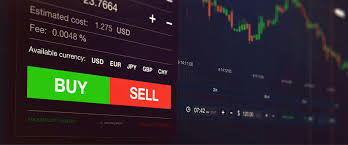
In recent years, ai forex trading Top Sharia Forex Platforms have begun to embrace the power of Artificial Intelligence (AI) in their trading strategies. The integration of AI into forex trading is reshaping the landscape of financial markets. This technology not only accelerates the decision-making process but also enhances the accuracy of market predictions, offering traders unprecedented advantages. In this article, we delve into the intricate world of AI in forex trading, examining its benefits, challenges, and the future it promises to unfold.
The Essentials of Forex Trading
Foreign exchange, or forex, trading involves the buying and selling of currency pairs. The forex market is the largest and most liquid financial market in the world, with a daily trading volume exceeding $6 trillion. Currency traders exploit the fluctuations in exchange rates to maximize their profits. Traditionally, this involved technical and fundamental analysis, but the advent of AI is revolutionizing these approaches.
The Role of AI in Forex Trading
AI encompasses various technologies such as machine learning, natural language processing, and deep learning, which can analyze vast datasets much faster than human traders. The application of AI in forex trading can be categorized into several key areas:
1. Automated Trading Systems
Automated trading platforms powered by AI can execute trades based on predefined algorithms. These systems analyze historical data, current market conditions, and various economic indicators to make informed trading decisions without human intervention. This automation minimizes emotional trading and enhances discipline.
2. Predictive Analytics
AI algorithms can identify patterns and trends within the forex market, allowing traders to anticipate price movements with greater accuracy. By processing massive datasets, AI can provide insights that are not readily apparent, thereby improving the overall trading strategy.
3. Sentiment Analysis
By utilizing natural language processing, AI can analyze social media, news articles, and market reports to gauge market sentiment. Understanding the emotional state of the market can help traders make more informed decisions, as sentiments often drive market movements.
4. Risk Management
AI systems can also play a crucial role in risk management by assessing the volatility of currency pairs and the overall market environment. By identifying potential risks, traders can adjust their strategies accordingly, ensuring they protect their investments more effectively.
Benefits of AI in Forex Trading
The incorporation of AI into forex trading brings numerous benefits, including:
1. Speed and Efficiency
AI can analyze data and execute trades at a speed that far exceeds human capabilities. This speed ensures that traders can capitalize on market opportunities as they arise, often before they can react.
2. Enhanced Decision Making
With the ability to process and analyze vast amounts of data, AI provides traders with actionable insights that enhance decision-making. Traders can make better-informed choices, reducing the likelihood of costly mistakes.
3. Emotional Neutrality
AI eliminates the emotional component of trading, which often leads to poor decisions. By relying on data-driven methods, traders can avoid fear and greed, allowing them to stick to their strategies.
4. Continuous Learning
Machine learning algorithms can adapt and improve over time based on changing market conditions, ensuring that trading strategies remain effective even as the forex market evolves.
Challenges of AI in Forex Trading
While the advantages of AI in forex trading are significant, there are also challenges that traders must navigate:
1. Market Unpredictability
No matter how sophisticated the AI algorithms are, forex markets can be unpredictable due to sudden economic changes, geopolitical events, or market speculation. AI may struggle to adapt quickly to unforeseen circumstances.
2. Data Quality and Availability
The effectiveness of AI in trading depends heavily on the quality and quantity of data available. Inaccurate or incomplete data can lead to faulty predictions and poor trading performance.
3. Overfitting
There is a risk of overfitting in machine learning models, where the algorithms become too tailored to historical data and fail to perform well in live trading scenarios. Balancing model complexity and generalizability is essential.
Future Prospects for AI in Forex Trading
The future of AI in forex trading appears bright, with ongoing advancements in technology and machine learning techniques. As more traders and institutions adopt AI-driven trading systems, we can expect the following trends:
1. Increased Use of Quantum Computing
Quantum computing holds the potential to revolutionize data processing in finance. With its capability to solve complex problems much faster than traditional computers, quantum AI may lead to superior trading strategies and risk management techniques.
2. Greater Accessibility
As AI trading systems become more popular and sophisticated, they are likely to become increasingly accessible to retail traders. This democratization of technology can level the playing field, allowing individual traders to compete with institutional players.
3. Enhanced Regulatory Frameworks
As AI becomes more prevalent in forex trading, regulatory bodies will likely introduce new guidelines to address ethical concerns, data usage, and market fairness. Ensuring that AI trading remains transparent and accountable will be paramount.
4. Collaborative Trading Environments
Future developments may also see the emergence of collaborative trading platforms where AI systems from different traders share insights and strategies. Such collaboration could enhance market efficiency and innovation.
Conclusion
AI is undeniably transforming the realm of forex trading. By improving speed, accuracy, and decision-making, AI-driven technologies provide traders with tools that were previously unimaginable. While challenges remain, the potential for AI to enhance trading strategies and market dynamics continues to attract interest from traders around the globe. As the technology evolves, so too will the opportunities it presents for those willing to embrace the future of forex trading.