The Ultimate Guide to Forex Trading: Strategies, Tips, and Insights
Forex trading, or foreign exchange trading, has become an increasingly popular financial venture in recent years. As currencies continuously fluctuate in value, traders are presented with the opportunity to profit from these variations. In this comprehensive guide, we will cover essential aspects of Forex trading, including strategies, tips, risks, and the importance of choosing the right broker. If you want to start trading, finding reliable forex and trading Forex Brokers in Cambodia can be an important step.
What is Forex Trading?
Forex trading involves the buying and selling of currency pairs in the global foreign exchange market, which is one of the largest and most liquid financial markets in the world. Instead of trading physical products, traders engage in exchanging one currency for another, hoping to capitalize on the changing values of these currencies. The Forex market operates 24 hours a day, five days a week, and allows for instant buy and sell opportunities for myriad currency pairs.
Understanding Currency Pairs
In Forex trading, currencies are quoted in pairs, such as EUR/USD (Euro/US Dollar) or GBP/JPY (British Pound/Japanese Yen). The first currency listed is known as the base currency, while the second is the quote currency. Traders analyze these pairs to predict movements based on economic news, geopolitical events, and market sentiment. Understanding how to read and interpret currency pairs is crucial for effective trading.
Types of Forex Trading Strategies
Successful Forex trading relies on effective strategies that determine when to enter and exit trades. Here are a few popular strategies employed by traders:

- Scalping: This short-term strategy focuses on making small profits on minor price changes. Traders execute quick trades, often holding positions for seconds or minutes.
- Day Trading: Involves opening and closing positions within the same trading day. Day traders take advantage of intraday price movements, aiming to capture short-term trends.
- Swing Trading: This strategy is designed for traders who hold positions for several days to weeks, focusing on capturing larger price movements during a trend.
- Position Trading: Long-term strategy where traders hold positions for weeks, months, or even years, primarily relying on fundamental analysis.
Risk Management in Forex Trading
One of the most critical aspects of trading is risk management. Proper risk management techniques can help traders protect their investments and minimize potential losses. Here are some key principles:
- Setting Stop-Loss Orders: A stop-loss order is an essential tool for limiting losses in case a trade moves against you. It automatically closes a position when a certain price level is reached.
- Risk-Reward Ratio: A good risk-reward ratio can help you assess whether a trade is worth taking. A ratio of at least 1:2 means you stand to gain twice what you risk.
- Diversification: Avoid putting all your capital into one trade. Diversifying your trading portfolio by using various currency pairs can reduce overall risk.
- Position Sizing: Calculate the appropriate position size for each trade based on your account balance and risk tolerance to ensure that no single trade can significantly impact your account.
Choosing the Right Forex Broker
Selecting a reputable Forex broker is vital for successful trading. The right broker provides the necessary tools, resources, and support for traders. Here are some factors to consider when choosing a Forex broker:
- Regulation: Ensure your broker is regulated by an authoritative body. This is crucial for the safety of your funds and overall trading experience.
- Trading Platform: Familiarize yourself with the trading platform offered by the broker. It should be user-friendly, stable, and feature-rich.
- Spreads and Commissions: Analyze the trading costs, including spreads and commissions, as they can significantly affect your profitability.
- Customer Support: Reliable customer support is essential for quick assistance with any issues or queries you may have.
Technical and Fundamental Analysis
Forex traders typically employ two main types of analysis: technical analysis and fundamental analysis. Understanding the fundamentals of both these analyses is key to making informed trading decisions.
Technical Analysis
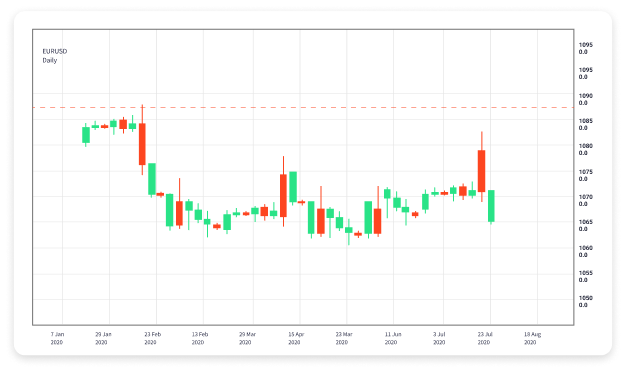
Technical analysis involves using historical price charts and indicators to predict future price movements. Traders use various tools, including candlestick patterns, moving averages, and oscillators, to identify trends and potential reversals. Mastering technical analysis enables traders to make informed decisions about entry and exit points.
Fundamental Analysis
On the other hand, fundamental analysis assesses the economic, political, and social factors that influence currency values. This includes analyzing economic indicators such as GDP, employment rates, and central bank interest rates. By understanding the macroeconomic environment, traders can better predict long-term trends in the Forex market.
Common Myths About Forex Trading
Forex trading is often surrounded by various myths that can mislead aspiring traders. Here are some common misconceptions:
- Forex Trading is a Get-Rich-Quick Scheme: While significant profits can be made, Forex trading requires education, strategy, and discipline. It’s not a guaranteed way to get rich quickly.
- Only Professionals Can Succeed: While experience helps, anyone can learn Forex trading if they are willing to invest time in education and practice.
- Forex Trading is Too Risky: While trading carries inherent risks, proper risk management and strategy can significantly reduce these risks.
- Higher Leverage Equals Higher Profits: High leverage can lead to higher losses just as easily as it can lead to higher profits. Traders must use leverage wisely.
Conclusion
Forex trading offers lucrative opportunities for those willing to invest time in learning and developing strategies. By understanding the fundamentals of trading, risk management, and analysis techniques, traders can navigate the Forex market more effectively. Remember to choose a reputable broker, employ risk management strategies, and continuously educate yourself as markets evolve. As a beginner, manage your expectations, and approach Forex trading with both caution and enthusiasm.