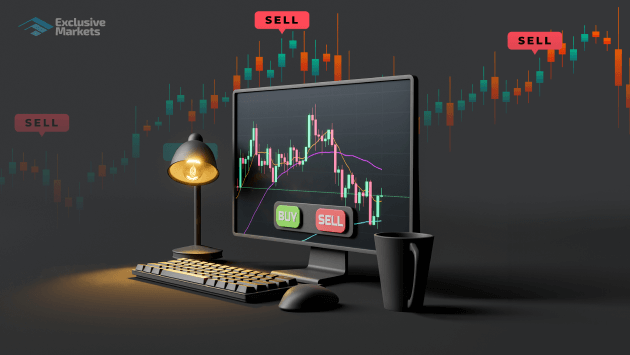
Forex trading platforms are essential tools for traders around the world, providing them with the necessary infrastructure to trade currencies effectively. For those looking to engage in forex trading in specific regions, platforms also offer localized services such as forex trading platform Forex Brokers in Indonesia, which can enhance the trading experience by catering to local market requirements.
In the realm of financial trading, forex markets stand out due to their immense volume and accessibility. Forex trading involves buying and selling currency pairs, and platforms serve as the bridge between traders and the global forex market. Understanding the intricacies of these platforms can significantly influence a trader’s success.
1. What is a Forex Trading Platform?
A forex trading platform is an online software application that facilitates the trading of currency pairs. These platforms enable traders to access global currency markets, execute trades, analyze price charts, and manage their trading accounts. They vary in functionality, user experience, and tools, allowing traders to choose one that meets their trading style and strategies.
2. Types of Forex Trading Platforms
There are several types of forex trading platforms that cater to different types of traders, from beginners to seasoned professionals. The two main categories are:
- Web-based Platforms: These platforms are accessed directly through a web browser, requiring no downloads. They offer flexibility and ease of use, as they can be accessed from any device with an internet connection.
- Downloadable Platforms: These applications need to be downloaded and installed on a user’s computer. They often provide more advanced tools and features, making them suitable for users who prefer robust functionalities.
3. Key Features of Forex Trading Platforms
When evaluating a forex trading platform, several key features should be considered:
- Real-time Quotes: The platform should provide real-time pricing data to enable traders to make informed decisions quickly.
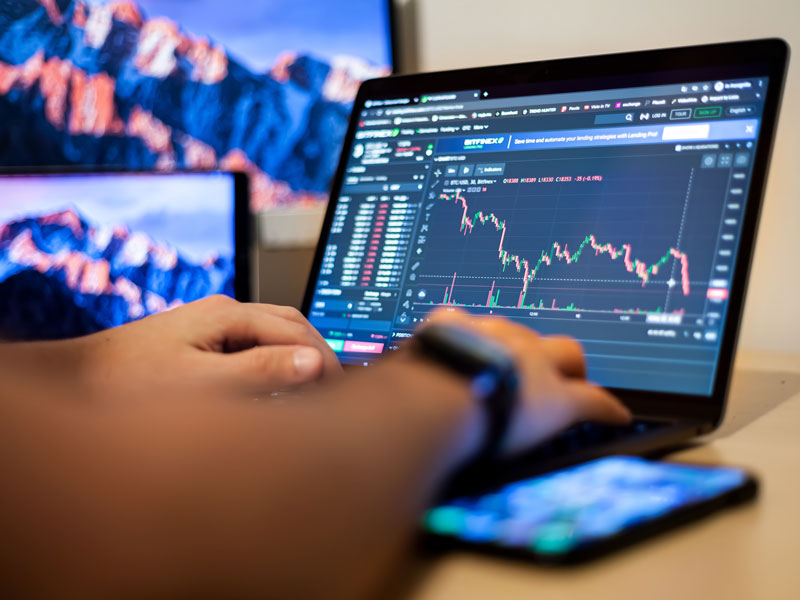
- Charting Tools: Effective charting tools help traders analyze market trends and develop their trading strategies with technical analysis.
- Order Execution: The platform should facilitate swift order execution to take advantage of market movements. Features such as one-click trading can be extremely beneficial.
- Risk Management Tools: Tools such as stop-loss and take-profit orders are essential for managing risks effectively.
- User Interface: A user-friendly interface is crucial, especially for beginner traders, as it simplifies navigation and functionality.
4. How to Choose the Right Forex Trading Platform
Choosing the right forex trading platform can significantly impact a trader’s experience and success. Here are some factors to consider:
- Regulation: Ensure the platform is regulated by a reputable authority. This provides a level of security and reliability.
- Fees and Spreads: Different platforms have varying fee structures, including spreads and commissions. Compare these to find the most cost-effective option.
- Customer Support: Reliable customer support is crucial for resolving issues and ensuring a smooth trading experience. Look for platforms with responsive support services.
- Available Assets: Some platforms provide access to a wide range of trading assets beyond forex, such as commodities or cryptocurrencies, which may be appealing to some traders.
- Educational Resources: Many platforms offer educational materials, such as webinars and tutorials, which can benefit new traders.
5. Popular Forex Trading Platforms
Several forex trading platforms are widely used and respected in the trading community. A few of these include:
- MetaTrader 4 (MT4): One of the most popular trading platforms, known for its advanced charting tools and automated trading capabilities.
- MetaTrader 5 (MT5): The successor to MT4, offering enhanced features, including more timeframes and additional technical indicators.
- NinjaTrader: A robust platform ideal for advanced traders, offering in-depth analysis tools and trade simulation options.
- cTrader: Renowned for its user-friendly interface and option for automated trading.
6. Future Trends in Forex Trading Platforms
As technology continues to advance, the landscape of forex trading platforms is evolving. Emerging trends include:
- Mobile Trading: With the proliferation of smartphones, mobile trading apps are becoming increasingly popular, enabling traders to trade on the go.
- AI and Machine Learning: Some platforms are beginning to incorporate AI-driven tools that provide personalized trading recommendations and market analysis.
- Social Trading: Platforms are increasingly integrating social trading features, allowing traders to collaborate and share insights with others in real-time.
- Improved Security: As cyber threats grow, platforms are investing in advanced security measures to protect traders’ data and funds.
Conclusion
In conclusion, forex trading platforms play a crucial role in the trading journey for individuals interested in the forex market. Selecting the right platform involves careful consideration of various factors, including features, costs, user experience, and regulation. As the market continues to evolve, staying informed about the latest trends and technologies in forex trading platforms will empower traders to make well-informed decisions and enhance their trading strategies.