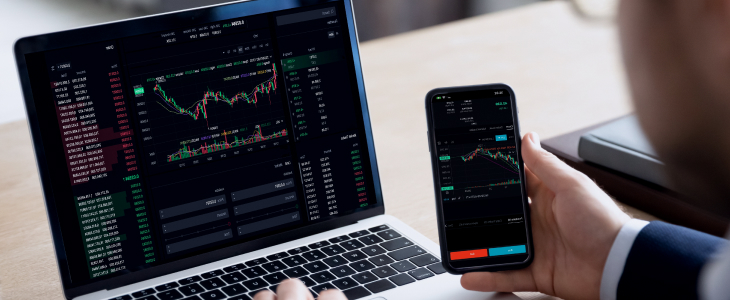
In the world of Forex trading, having a robust framework is essential for success. A well-structured trading system not only helps in making rational decisions but also provides guidelines for risk management and market analysis. Whether you are a seasoned trader or just starting out, understanding the fundamental components of a trading framework is vital. This article will guide you through professional guidelines for building an effective Forex trading framework, covering essential strategies and practical tips. For more insights, visit forex trading framework professional guidelines forex-level.com.
Understanding the Forex Trading Framework
A Forex trading framework can be defined as the overarching plan that guides your trading activities. It includes your trading strategies, risk management rules, tools for market analysis, and psychological readiness. Having a clear framework ensures you do not deviate from your trading plan and helps maintain disciplined trading behavior.
1. Establishing Trading Goals
The first step in building a Forex trading framework is to define your trading goals. Setting specific, measurable, achievable, relevant, and time-bound (SMART) goals enables you to focus your efforts and measure your progress effectively. Your goals should align with your risk tolerance and investment horizon. For example, a trader aiming for long-term growth may prioritize capital appreciation, while a day trader may focus on short-term gains and quick profits.
2. Choosing a Trading Style
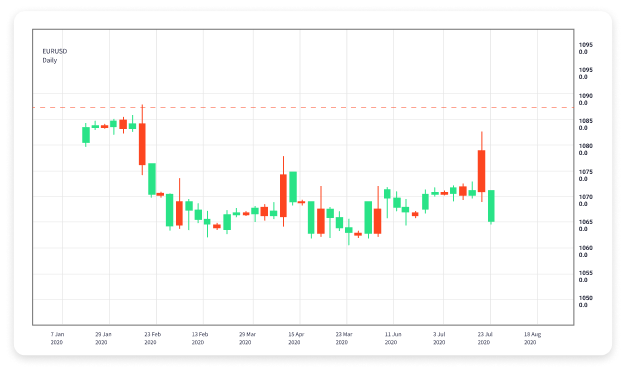
There are various trading styles in Forex, including scalping, day trading, swing trading, and position trading. Each style has its own characteristics and suits different personality types. For example, scalping requires quick decision-making and high levels of concentration, while position trading allows for a more relaxed approach with longer trade durations. It is important to choose a style that fits your personal preferences and circumstances.
3. Developing a Trading Strategy
A trading strategy is a set of rules or guidelines that dictate when to enter and exit trades. When developing your strategy, consider incorporating technical analysis, fundamental analysis, or a combination of both. Technical analysis involves studying historical price movements and using tools like charts and indicators to forecast future prices. Fundamental analysis, on the other hand, focuses on economic reports, interest rates, and geopolitical events.
4. Implementing Risk Management
Risk management is a critical component of any Forex trading framework. It involves identifying potential risks and taking the necessary measures to mitigate them. Key risk management techniques include:
- Position Sizing: Determine the size of your trades based on your account size and risk tolerance.
- Setting Stop-Loss Orders: Protect your capital by placing stop-loss orders to limit potential losses.
- Diversification: Spread your investments across different currency pairs to reduce risk.
- Maintaining a Risk-Reward Ratio: Aim for a favorable risk-reward ratio to ensure that potential rewards outweigh potential losses.
5. Utilizing Trading Tools and Resources

To effectively implement your Forex trading framework, you may use various tools and resources. These may include trading platforms, analysis software, economic calendars, and market news feeds. Having access to real-time data can significantly aid in making timely decisions. Additionally, backtesting your strategy on historical data can help you fine-tune your approach before deploying it in live markets.
6. Continuous Learning and Adaptation
The Forex market is constantly evolving due to various factors like economic indicators, political developments, and market sentiment. Therefore, continuous learning is essential. Engage in ongoing education by attending webinars, reading trading books, and following industry experts. Additionally, remain adaptable. If you find that your trading strategy is not yielding desired results, do not hesitate to revise or change it.
7. Maintaining Discipline and Emotional Control
Trading can be emotionally taxing, especially during volatile market conditions. Developing emotional control is crucial for maintaining discipline and sticking to your trading plan. Techniques such as meditation, journaling, and setting pre-defined trading limits can help you manage your emotions. Remember, the key is to resist impulsive decisions driven by fear or greed.
Conclusion
Building a successful Forex trading framework requires diligence, discipline, and continuous improvement. By establishing clear trading goals, developing a suitable strategy, implementing effective risk management techniques, and committing to lifelong learning, you can enhance your trading performance. As you embrace these professional guidelines, you will be better equipped to navigate the complexities of the Forex market and achieve your desired trading outcomes. With time and experience, your Forex trading framework will evolve, leading to a sustainable and profitable trading journey.