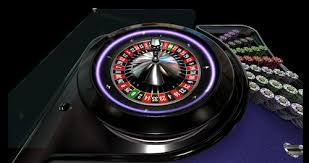
Roulette is one of the most iconic casino games, capturing the attention of players worldwide with its thrilling spin of the wheel and the anticipation of the outcome. Whether you’re a novice or a seasoned player, understanding roulette can significantly enhance your gaming experience. In this article, we’ll explore the various types of roulette, strategies to improve your chances of winning, and tips for enjoying your time at roulette casinos. For those interested in broader leisure experiences, check out roulette casinos citydrivingschool.co.uk, a site dedicated to learning driving in a fun way.
The History of Roulette
Roulette, meaning “little wheel” in French, has roots that can be traced back to the 18th century in France. The game evolved from earlier games like ‘Roly-Poly’ and ‘Even-Odd’, where the essence of betting on a spinning wheel was conceived. By the 19th century, roulette was a mainstay in casinos across Europe, and its popularity skyrocketed with the establishment of Monte Carlo’s casino in 1863. Over the years, roulette has been embraced by casinos around the globe and has spawned different variants, each adding its unique twist to the classic game.
Types of Roulette
There are three main types of roulette: American, European, and French. Each variant has distinct rules and characteristics that appeal to different types of players.
1. American Roulette
American roulette features a wheel with both a single green zero (0) and a double zero (00). The inclusion of the double zero increases the house edge to about 5.26%, making it less favorable for players compared to its European counterpart. Because of its higher house edge, many players prefer the other two variants for a more competitive chance of winning.
2. European Roulette
European roulette is played on a wheel that contains only one zero. This brings the house edge down to approximately 2.7%, making it a more favorable option for players looking to maximize their odds. The layout includes numbers ranging from 1 to 36, alternating between red and black, with the single zero in green.
3. French Roulette
French roulette shares similarities with European roulette but comes with additional rules that can further benefit the player. For example, French roulette employs a rule called “La Partage,” where if the ball lands on zero, players lose only half their even-money bets. This rule effectively reduces the house edge even further, making it one of the most player-friendly options available.
Understanding Roulette Bets
One of the thrilling aspects of roulette is the variety of betting options available. Understanding these bets is essential for any player looking to optimize their gameplay.
Inside Bets
Inside bets are placed on specific numbers and will pay out at higher odds but come with lower chances of winning. They include:
- Straight Up: Betting on a single number (pays 35 to 1).
- Split: Betting on two adjacent numbers (pays 17 to 1).
- Street: Betting on three numbers in a row (pays 11 to 1).
- Corner: Betting on four numbers that meet at a corner (pays 8 to 1).
- Six Line: Betting on two adjacent rows, covering six numbers (pays 5 to 1).
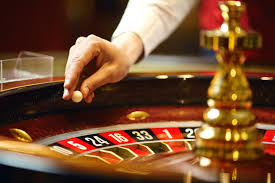
Outside Bets
Outside bets offer a better chance of winning but with lower payouts. They include:
- Red or Black: Betting on the color of the winning number (pays 1 to 1).
- Odd or Even: Betting on whether the winning number is odd or even (pays 1 to 1).
- High or Low: Betting on whether the number will be in the range of 1-18 or 19-36 (pays 1 to 1).
- Dozen Bets: Betting on one of three groups of twelve numbers (pays 2 to 1).
- Column Bets: Betting on one of the three vertical columns of numbers on the layout (pays 2 to 1).
Strategies for Winning at Roulette
While roulette is a game of chance, players often seek strategies to enhance their game. Here are a few popular strategies:
The Martingale Strategy
This popular betting system involves doubling your bet after each loss, with the aim of recovering previous losses with a single win. However, it requires a substantial bankroll and carries a risk of significant losses during a losing streak.
The Fibonacci Strategy
The Fibonacci system uses a sequence of numbers where each number is the sum of the two preceding ones. Players bet according to this sequence, adjusting their bets based on wins and losses. It’s a more conservative approach than Martingale and can help manage your bankroll more effectively.
The D’Alembert Strategy
The D’Alembert strategy is a safer and more straightforward betting system. Players increase their bet by one unit after a loss and decrease it by one after a win. This strategy aims to balance wins and losses over time.
Tips for Playing Roulette
Beyond strategies, there are several best practices that can enhance your overall roulette experience:
- Know The Rules: Familiarize yourself with the rules specific to the variant you are playing.
- Set a Budget: Determine how much you’re willing to spend and stick to that budget to avoid chasing losses.
- Take Breaks: Extended play can lead to fatigue and poor decision-making; remember to take breaks.
- Play European or French Roulette: Whenever possible, choose European or French roulette due to their lower house edges.
- Enjoy the Process: Enjoy the social aspect of playing roulette – it’s about the thrill of the game, not just the winnings.
Conclusion
Roulette casinos offer a unique blend of excitement, strategy, and social interaction, making it a timeless favorite among casino enthusiasts. Understanding the different types of roulette, familiarizing yourself with the betting options, and applying strategies can significantly enhance your gaming experience. Always remember that roulette is primarily a game of chance, and the key is to enjoy the thrill of the spin while playing responsibly. As you embark on your roulette journey, keep these insights in mind and may your next spin bring you luck!