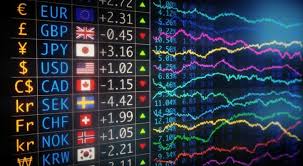
The foreign exchange market, or Forex, is one of the largest and most liquid financial markets in the world, with trillions of dollars traded daily. This complex and dynamic marketplace serves as a platform for trading national currencies against one another, influencing global trade and investment decisions. As such, understanding the intricacies of Forex trading is essential for anyone looking to engage in the world of currency exchange. With numerous factors influencing exchange rates, traders must navigate a landscape filled with opportunities as well as risks. To get started, you can explore resources from forex trading foreign exchange market https://trading-asia.com/, which provide valuable insights into the Forex world.
What is Forex Trading?
Forex trading involves buying one currency while simultaneously selling another. This trading of currency pairs is essential for determining exchange rates and facilitates international trade, investments, and tourism. Currency pairs are typically categorized as major, minor, and exotic pairs. Major pairs, such as EUR/USD and USD/JPY, feature the most traded currencies and tend to have the highest liquidity. Minor pairs, which include currencies that are less frequently traded, and exotic pairs, comprised of a major currency and a currency from a developing economy, offer additional opportunities for traders but often come with higher risk due to lower liquidity and increased volatility.
How the Forex Market Works
The Forex market operates 24 hours a day, five days a week, allowing traders to participate from different time zones across the globe. Unlike stock exchanges, the Forex market does not have a central location; trading occurs over-the-counter (OTC) through a network of banks, financial institutions, and individual traders. The decentralized nature of Forex trading allows for a vast array of trading opportunities and strategies, catering to both short-term and long-term traders. Understanding the intricacies of pricing, market dynamics, and economic indicators is crucial for successful trading.
Currency Pairs and Pricing

In Forex, currencies are quoted in pairs, with the first currency known as the base currency and the second as the quote currency. The exchange rate indicates how much of the quote currency is required to purchase one unit of the base currency. For example, if the EUR/USD pair is quoted at 1.2000, it means that 1 Euro is worth 1.20 US Dollars. Currency prices can be affected by a variety of factors, including economic data releases, geopolitical events, interest rate changes, and market sentiment.
Types of Forex Analysis
Traders employ different types of analysis to forecast market movements and make informed trading decisions. The three main approaches are fundamental analysis, technical analysis, and sentiment analysis.
- Fundamental Analysis: This approach focuses on economic indicators, government policies, and geopolitical events to evaluate a currency’s intrinsic value. Traders analyze macroeconomic data, such as GDP growth, employment figures, and interest rates, to anticipate currency movements.
- Technical Analysis: Technical analysts use historical price charts and various indicators to identify patterns and trends. By studying past price movements, traders can attempt to predict future price action, utilizing tools such as moving averages, RSI, and Fibonacci retracements.
- Sentiment Analysis: This type of analysis gauges the mood of the market to assess whether traders are bullish or bearish. By analyzing positioning data and sentiment indicators, traders can identify potential reversals or continuations in price movement.
Risk Management in Forex Trading
Risk management is a critical aspect of Forex trading. The high volatility of currency prices can lead to significant gains but also substantial losses. To protect capital and manage risk, traders employ various strategies such as setting stop-loss and take-profit orders, diversifying their trading portfolio, and calculating proper position sizes. The use of leverage, which allows traders to control larger positions with a smaller amount of capital, can magnify both profits and losses. Therefore, understanding how to use leverage responsibly is vital for any trader.
Trading Strategies
Many traders adopt specific strategies based on their trading style and market analysis. Common strategies include:
- Scalping: This short-term strategy focuses on making numerous small trades throughout the day, aiming to profit from minor price fluctuations.
- Day Trading: Day traders open and close positions within the same trading day, avoiding overnight risk.
- Swing Trading: Swing traders hold positions for several days or weeks, looking to capitalize on medium-term price movements.
- Position Trading: This long-term strategy involves holding positions for weeks, months, or even years, based on fundamental analysis.
Different Platforms for Forex Trading
Forex traders can access the market through online trading platforms offered by brokers. These platforms provide the necessary tools and features for trading, including charts, technical indicators, and news feeds. Some popular platforms include MetaTrader 4/5, cTrader, and TradingView, each offering unique features suited to various trading styles. Each platform has different levels of complexity and capabilities, so traders should select one that aligns with their level of experience and trading strategy.
Conclusion
Forex trading can be a rewarding venture for those who take the time to understand the market, develop their trading strategies, and implement effective risk management practices. With its unique characteristics and opportunities, the foreign exchange market continues to attract traders globally. As economic factors and political events rapidly evolve, staying informed and continually educating oneself is vital for success in this competitive field. Whether you are a beginner or an experienced trader, the path to mastering Forex trading is paved with knowledge, practice, and a disciplined approach.